 Is Now Vyapar TaxOne | Same Trust, New Name!
 AI Weapon for Financial Soldiers
Vyapar TaxOne


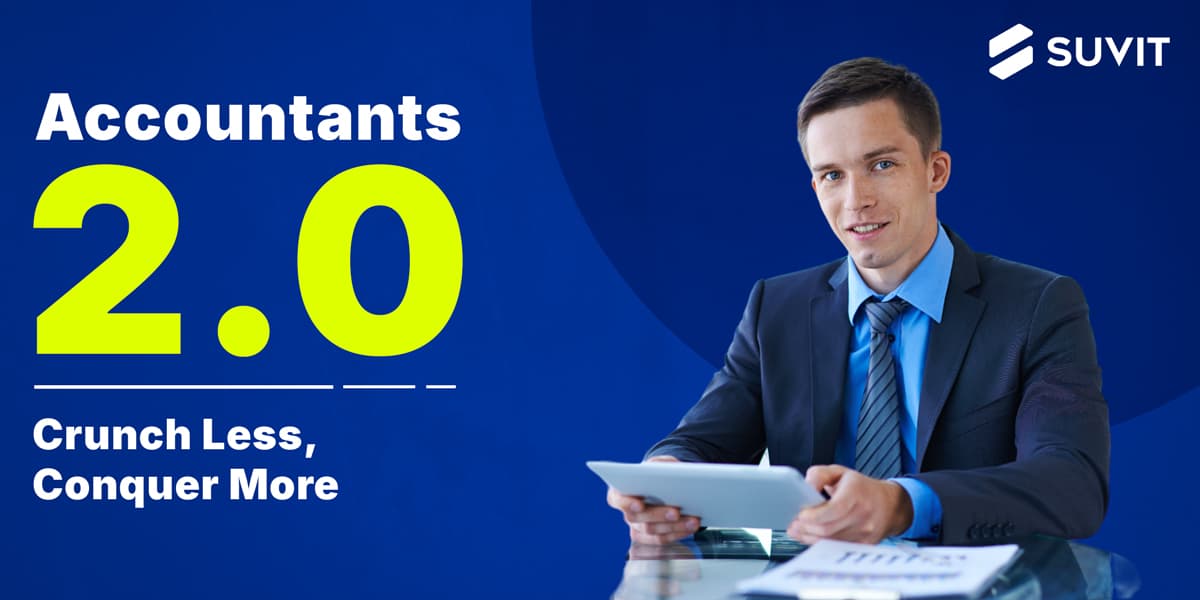
“Another coffee?” Pooja asked while handing over a fresh cup to Shebi. The office was buzzing with a casual workday vibe, but a serious conversation brewed around the accountants in Vyapar TaxOne’s office.
Automation is transforming every industry, and accounting is no exception. With automation tools like Vyapar TaxOne taking over many of the traditional manual tasks, the question is no longer about if automation will change the accounting world—but how accountants will redefine their roles.
The automation era has brought about a dramatic shift in accounting. Gone are the days when accountants spent hours manually entering data, reconciling bank statements, or organizing financial records.
Automation takes care of these tasks now. Advanced algorithms, machine learning, and AI-based solutions have allowed accountants to focus on strategic advisory rather than operational work. But with this shift, the role of accountants isn't diminishing. It’s evolving.
In an age where data entry and repetitive tasks are automated, accountants must redefine their role by focusing on value-added services.
So, what does this mean for accountants?
Traditionally, accountants were seen as number crunchers—focusing on tax filings, compliance, and data entry. Today, automation has taken over these basic tasks, freeing accountants to offer strategic advice.
Key roles accountants can now embrace include:
One key area where accountants can excel is by becoming leaders in automation themselves. They don’t just adopt tools like Vyapar TaxOne; they become the experts businesses turn to when implementing these tools. Understanding the latest in accounting tech and automation can set accountants apart from their peers. ith this shift, clients are also expecting more from accountants than ever before.
As technology evolves, client expectations are shifting dramatically in the accounting sector. Clients no longer seek just basic bookkeeping or tax filing services. They now expect accountants to be advisors who offer deep insights, strategic guidance, and personalized services.
This shift means accountants must focus on understanding their client's unique needs and provide tailored advice that helps businesses grow, optimize costs, and navigate complex financial landscapes.
Automation tools, such as AI and machine learning, allow accountants to streamline routine tasks, giving them more time to focus on client relationships. By using these tools, accountants can provide real-time insights into financial health, forecast trends, and offer recommendations on investment or cost-saving strategies.
In this new model, technology handles the repetitive tasks, while accountants become trusted business advisors.
With automation doing most of the grunt work, accountants need to sharpen their technical skills. Familiarity with accounting software, AI tools, and automation platforms like Vyapar TaxOne is essential.
Although technical skills are important, soft skills are equally significant. Communication, problem-solving, and leadership will distinguish a modern accountant.
While automation presents immense opportunities, there are challenges too. Accountants must ensure that technology complements their roles without diminishing the human touch.
Read more about Myths and Misconceptions About AI in Accounting here!
AI plays a big role in automating repetitive tasks, but AI cannot replicate human intuition and expertise. Accountants must strike a balance between utilizing AI and keeping the personal touch in client relationships.
As technology transforms the profession, it's not just the role of accountants that’s changing—traditional business models are evolving too.
The integration of automation and AI has also driven significant changes in the traditional business models of accounting firms. Historically, firms relied on a time-based billing structure, where services were billed based on the hours spent on tasks.
However, with the efficiency brought in by automation, this model is becoming outdated. Automation tools can perform tasks like data entry or reconciliation in minutes, reducing the time spent on these activities.
To adapt, firms are shifting to value-based pricing models. Instead of charging by the hour, firms now focus on the value they provide to clients, such as insights from data analysis, financial forecasting, or strategic advice. This evolution in business models allows firms to remain competitive while leveraging technology to deliver high-quality services more efficiently.
By embracing new business models and focusing on value-added services, accountants can thrive in the automation era, transforming from traditional number-crunchers into essential strategic partners for their clients.
At Vyapar TaxOne, we believe accounting automation is the future, and we’re at the forefront of making this transition easier for businesses. But we also know that technology is only as good as those who use it.
By writing about the evolving role of accountants, we aim to help our audience understand that automation is not about replacing jobs—it’s about empowering accountants to focus on higher-value work. Vyapar TaxOne is committed to assisting accountants to adapt by providing the tools and insights they need to excel in the automation era.
Also Read: How AI Can Help You Save 80% on AP/AR Costs
The automation era in accounting is not about reducing the role of accountants but elevating it. By shifting focus from repetitive tasks to more strategic, analytical, and advisory work, accountants can redefine their roles to create more value for their clients.
At Vyapar TaxOne, we’re here to make that transition smoother by offering cutting-edge automation tools designed to take care of the mundane tasks, so accountants can focus on what matters: providing expert insights that drive business growth.
Try Vyapar TaxOne for free for a week!
The future of accounting is bright—and automation is just the beginning.


Tax Professional & Business Finance Expert
Tax Professional & Business Finance Expert
Tax Professional & Business Finance Expert