 Is Now Vyapar TaxOne | Same Trust, New Name!
 AI Weapon for Financial Soldiers
CEO


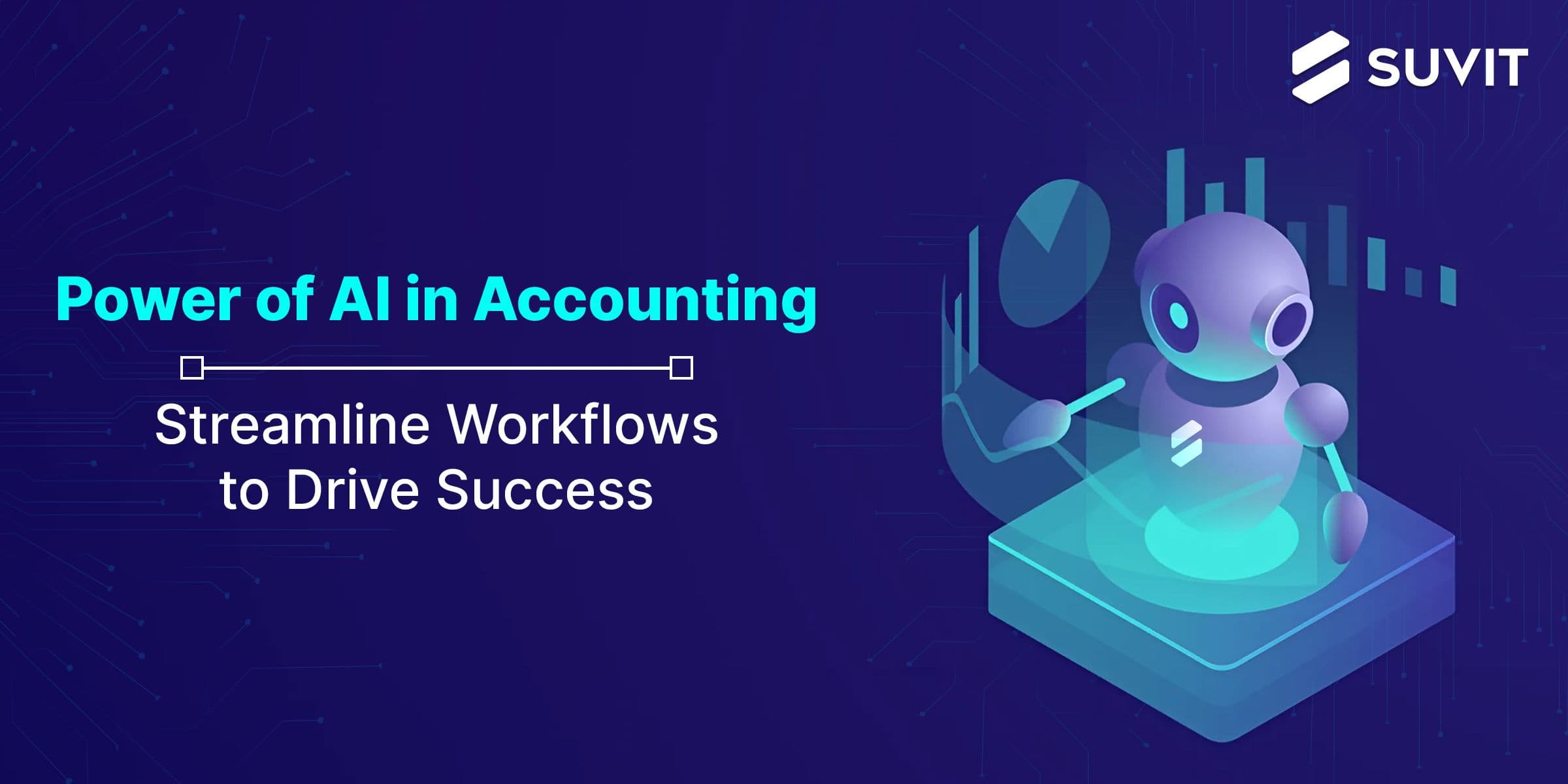
Anyone who's ever spent hours buried in spreadsheets knows the struggle.
Accounting can be a time-consuming, repetitive process—data entry, receipt tracking, and reconciling transactions take up valuable time that could be spent on strategic financial planning.
But what if you could automate these mundane tasks and focus on high-value decision-making? That’s where Artificial Intelligence (AI) comes in.
AI is transforming the accounting industry, streamlining operations, and allowing professionals to focus on what truly matters: providing financial insights that drive business growth.
Gone are the days of manual data entry. AI-powered accounting software can automatically extract data from invoices, categorize transactions, and reconcile accounts with lightning-fast accuracy. This not only speeds up processes but also reduces human errors that often come with manual work.
Key Benefits:
AI-driven automation also helps in payroll processing, tax preparation, and invoice matching, making financial operations seamless. Businesses that implement AI for automation report significant improvements in productivity and cost savings.
AI doesn’t just automate processes—it extracts meaningful insights from financial data. Advanced machine learning algorithms analyze spending patterns, forecast cash flow fluctuations, and identify cost-saving opportunities. This enables businesses to make data-driven decisions with confidence.
How AI Helps:
Furthermore, AI can conduct sentiment analysis on financial statements and market trends, providing a holistic view of a company’s financial health. AI-powered dashboards enable finance teams to visualize data and track KPIs effortlessly.
AI serves as a financial watchdog, continuously monitoring transactions for suspicious activity. AI-powered fraud detection tools flag unusual patterns, such as duplicate payments or unauthorized access, helping businesses mitigate financial risks.
Advantages:
Modern AI solutions leverage behavioral analytics to identify potential fraud before it occurs. These systems can analyze employee spending habits, vendor transactions, and anomalies in bookkeeping records to detect fraudulent behavior early.
Traditionally, financial reports take weeks to compile. AI-powered accounting solutions provide real-time visibility into cash flow, expenses, and revenue streams, allowing businesses to make agile financial decisions.
Why This Matters:
With real-time insights, CFOs and financial teams can quickly adjust budgets, optimize expenses, and align financial strategies with company goals. AI-powered tools like predictive cash flow analysis help companies stay proactive instead of reactive.
AI doesn’t just analyze past data—it predicts future trends. Predictive analytics help businesses anticipate financial risks, optimize budgeting, and plan for long-term growth.
Key Benefits:
Predictive AI can also be used in scenario analysis, where businesses can test different financial strategies and see potential outcomes before making decisions. This kind of forward-thinking approach helps in risk mitigation and revenue optimization.
While AI offers numerous benefits, successful implementation requires strategic planning. Here’s how businesses can integrate AI into their accounting processes:
Not all accounting tasks require AI. Start by automating repetitive, rule-based tasks such as:
AI can also assist in automating tax filing processes, ensuring compliance with tax regulations and reducing the risk of human error.
AI relies on accurate data for optimal performance. Ensure that your financial data is clean, standardized, and well-structured before integrating AI solutions.
Poor-quality data can lead to incorrect AI predictions and miscalculations. Businesses should invest in data cleaning processes and implement strict data governance policies.
There are numerous AI-powered accounting solutions available. Businesses should select software that aligns with their needs, such as:
Some of the most popular AI-driven accounting tools include QuickBooks AI, Xero, Zoho Books, and FreshBooks, each offering unique features for automation and financial intelligence.
AI is not a set-it-and-forget-it solution. Regularly monitor its accuracy, make necessary adjustments, and refine algorithms to improve performance over time.
How to Ensure AI Success:
By continuously refining AI models, businesses can ensure they remain competitive and leverage AI’s full potential.
AI’s role in accounting will only continue to grow, bringing even more innovation to the industry. Some future developments include:
The adoption of AI in accounting is no longer a futuristic concept—it’s happening now. By leveraging AI-driven automation, predictive analytics, and real-time insights, accountants can move beyond number-crunching to become strategic advisors for businesses.
AI is redefining the way accounting functions, from transaction processing to financial forecasting. Companies that adopt AI early will gain a competitive advantage, improving efficiency, accuracy, and decision-making capabilities.
If you’re looking to optimize your accounting processes, AI is the game-changer you need. The future of accounting is not just about managing finances—it’s about leveraging technology to unlock greater efficiency, accuracy, and business growth. The question is: are you ready to embrace the AI revolution?
If yes, then start with Vyapar TaxOne!
Vyapar TaxOne is an advanced accounting automation tool designed to streamline your daily financial tasks. From automating tedious data entry to ensuring seamless GST reconciliation, Vyapar TaxOne helps you save time and reduce errors.
With powerful features like real-time financial reporting and efficient document management, Vyapar TaxOne empowers accountants and businesses to focus on strategic growth instead of manual workload. Embrace AI-driven efficiency today with Vyapar TaxOne and take your accounting to the next level!
Start with a free trial for a week!
Also Read:


Tax Professional & Business Finance Expert
Tax Professional & Business Finance Expert
Tax Professional & Business Finance Expert