 Is Now Vyapar TaxOne | Same Trust, New Name!
 AI Weapon for Financial Soldiers
Chartered Accountant


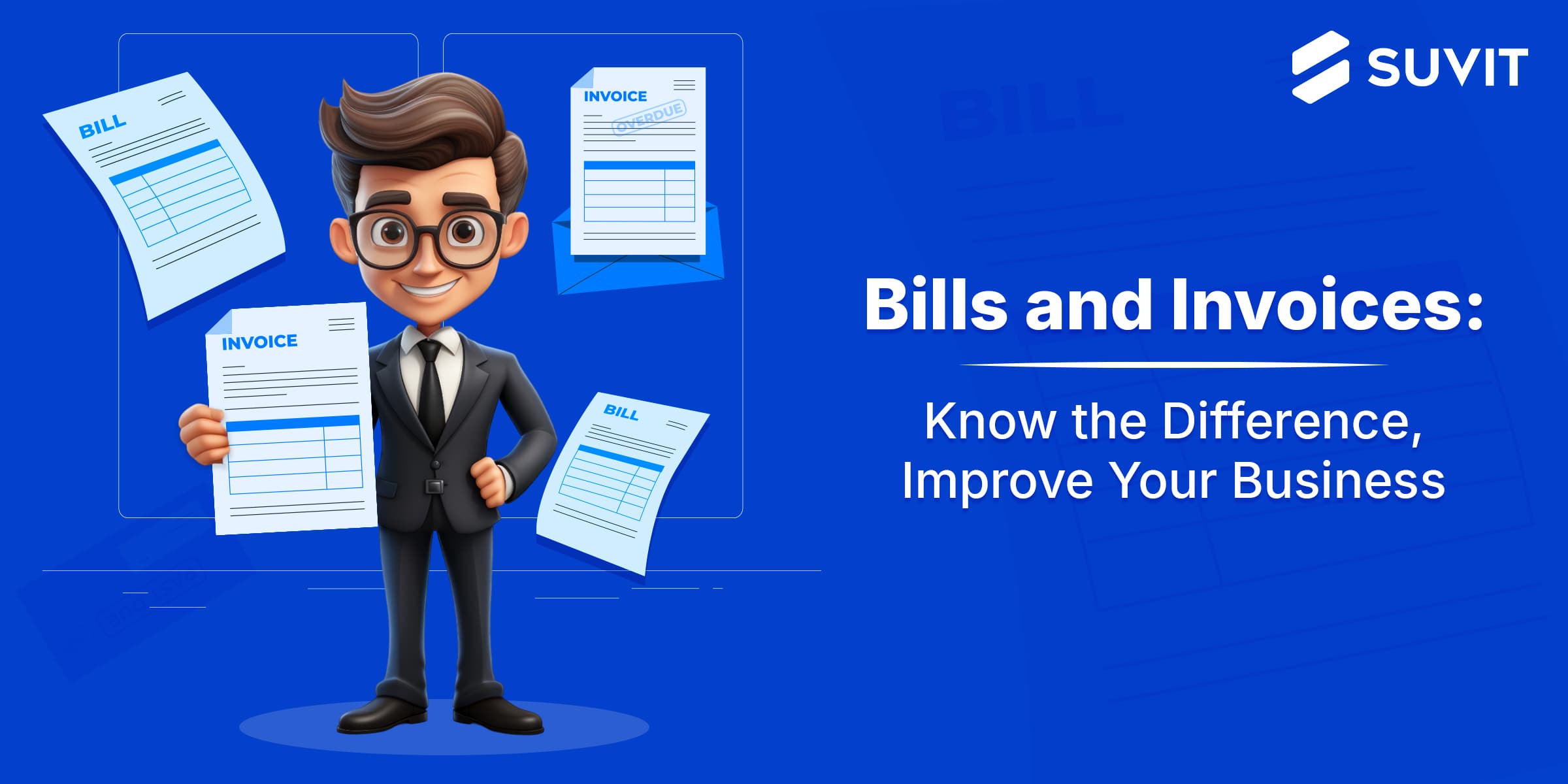
Understanding the nuances between billing and invoicing can significantly streamline your financial processes. Both are crucial components in any business transaction, yet they serve distinct purposes. In this blog, we will explore the differences between billing and invoicing, why they matter, and how to manage them efficiently.
The act of creating a bill is referred to as billing. A bill is a document that lists the products or services provided along with their prices. It is a request for payment.
The primary purpose of billing is to inform the customer about the amount they owe. A formal demand for payment is made by it.
Invoicing involves creating an invoice. An invoice is a detailed document that records a transaction between a buyer and a seller. It contains the conditions of the sale.
The primary purpose of invoicing is to document the sale. It serves as proof of the transaction and can be used for accounting and tax purposes.
Also Read: Invoice Extraction - A Simple Way to Do It
Properly distinguishing between bills and invoices ensures accurate financial records. For accounting and tax purposes, this is essential.
By understanding when to use bills versus invoices, businesses can better manage their cash flow. Bills are generally used for immediate payments, while invoices might have extended payment terms.
Using the correct document (bill or invoice) enhances professionalism and clarity in business transactions. This can improve customer relationships and trust.
Leverage billing and invoicing software to automate the process. This reduces errors and saves time.
Always include clear payment terms in both bills and invoices. This helps avoid confusion and ensures timely payments.
Establish a procedure for routinely checking in on unpaid invoices. Software tools can be used to automate this.
Integrate your billing and invoicing systems with your accounting software. This ensures seamless financial management and reporting.
Many people use the terms "bill" and "invoice" interchangeably, thinking they are the same. However, as we've discussed, they serve different purposes. A bill is generally used in situations where immediate payment is required, such as in retail stores or restaurants. An invoice, on the other hand, is used in more formal business transactions, often with extended payment terms.
Some small business owners believe that invoices are only necessary for large companies. This is not true. Any business, regardless of size, can benefit from using invoices. Invoices help maintain professional documentation, facilitate better tracking of sales and payments, and are essential for accounting and tax purposes.
Creating invoices might seem daunting, but with the right tools, it becomes a straightforward process. There are numerous invoicing software options available that simplify the creation and management of invoices. These tools often come with customizable templates and automation features that save time and reduce errors.
Technology has revolutionized billing and invoicing through automation. Modern software solutions allow businesses to automate the creation, sending, and tracking of bills and invoices. This guarantees on-time payments, minimizes errors, and cuts down on manual labor. Automated reminders can be set up to notify customers of upcoming or overdue payments, improving cash flow management.
Integration with other business systems is another significant advantage of using technology for billing and invoicing. For instance, integrating invoicing software with accounting systems ensures seamless data flow between sales and financial records. This improves the accuracy of financial reporting while also saving time.
Cloud-based billing and invoicing systems provide accessibility from anywhere at any time. This is particularly beneficial for businesses with remote teams or those that require access to financial data on the go. Cloud solutions also offer enhanced security features, ensuring that sensitive financial information is protected.
Advanced invoicing software often includes analytics and reporting features. Businesses can discover patterns, obtain insightful information about their financial performance, and make wise decisions. For example, analyzing payment patterns can help in optimizing payment terms and improving cash flow.
Using modern billing and invoicing tools can also enhance the customer experience. Clear, professional invoices with easy payment options can lead to quicker payments and improved customer satisfaction. Some software solutions offer customer portals where clients can view their invoices, make payments, and track their transaction history.
By leveraging technology, businesses can streamline their billing and invoicing processes, leading to improved efficiency, accuracy, and customer satisfaction.
Also Read: Special Economic Zone| GST, E Way Bill Applicability & Rules
Efficiently managing your sales and purchases is crucial for maintaining smooth business operations. Vyapar TaxOne offers an integrated solution that simplifies this process, allowing you to create and process invoices seamlessly.
One of the standout features of Vyapar TaxOne is its seamless integration with Tally, a popular accounting software used by many businesses in India. After creating your invoices in Vyapar TaxOne, you can send them directly to your Tally account with just a few clicks. This integration ensures that all your financial data is synchronized, reducing the need for manual data entry and minimizing errors.
By leveraging Vyapar TaxOne's invoicing capabilities, businesses can streamline their financial processes, improve accuracy, and ensure their accounting records are always current. This integration not only saves time but also enhances the overall efficiency of your business operations.

Tax Professional & Business Finance Expert
Tax Professional & Business Finance Expert
Tax Professional & Business Finance Expert