 Is Now Vyapar TaxOne | Same Trust, New Name!
 AI Weapon for Financial Soldiers
Vyapar TaxOne


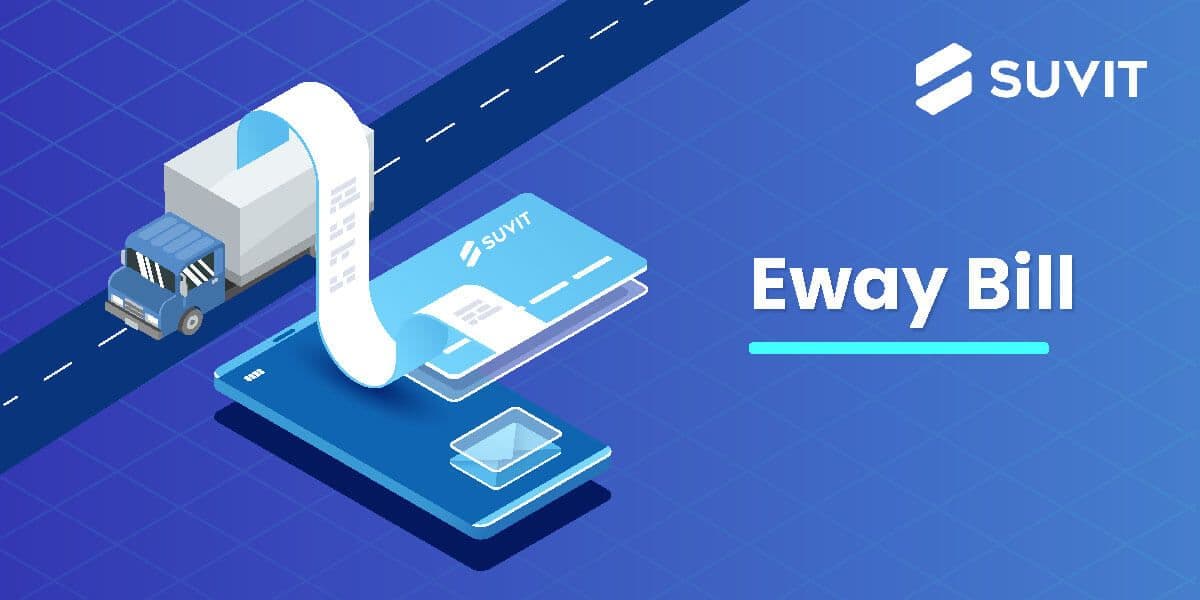
Running a business in India today is like steering a ship through a sea of rules, regulations, and ever-changing tax norms. Whether you're a seasoned accountant, a start-up founder, or a logistics professional, staying updated on compliance is not just important—it’s essential. A key compliance obligation is the Eway Bill.
Introduced under the Goods and Services Tax (GST) regime, the Eway Bill system has streamlined the way goods are transported across states and within cities. But what exactly is the Eway Bill? Why does it matter so much to your business? And most importantly, how do you generate one without losing your mind?
Let’s unpack the complete eway bill process in this detailed, beginner-friendly guide tailored for Indian businesses and startups.
An Eway Bill (short for Electronic Way Bill) is a digitally generated document required for the interstate and intrastate movement of goods worth over INR 50,000. It serves as an electronic permission slip that ensures hassle-free movement of goods while allowing tax authorities to monitor logistics and prevent tax evasion.
Generated on the official Eway Bill portal, this document includes important details such as:
The eway bill system has greatly eased the paperwork load and accelerated the logistics process throughout India. By going digital, it’s easier to track and verify the authenticity of goods being moved, which helps in curbing tax evasion and ensuring real-time compliance.
Understanding when to generate an Eway Bill can save you from unexpected penalties and delays. Here’s a simplified breakdown:
This threshold applies per invoice or per consignment. So even if you’re shipping multiple invoices in a single vehicle, you need to calculate the aggregate value.
Even if the value is less than Rs. 50,000, these two cases still require an Eway Bill as mandated under the GST rules.
The term ‘supply’ is quite broad and not limited to just sales:
Knowing these distinctions ensures better understanding and proper compliance under GST.
Let’s clarify roles so there’s no finger-pointing later.
Registered Businesses:
Unregistered Suppliers:
Transporters:
Unregistered Transporters:
This division of responsibility ensures that accountability is maintained across all parties involved in the transportation.
You’ll be relieved to know that not every goods movement needs an Eway Bill. Here are the key exceptions:
Non-Motorized Vehicle Transport:
Customs Clearance Movements:
Customs Supervision or Seal:
Movement Under Customs Bond:
Transit Cargo to or from Nepal/Bhutan
Ministry of Defence Movements:
Empty Cargo Containers:
Weighment Within 20 KM:
Rail Movement by Government Agencies:
Goods Exempted by Notifications:
Being aware of these exemptions can help streamline logistics and save time.
Generating an Eway Bill is easier than you think. Here's a quick walkthrough:
Login to the official Eway Bill portal using your username and password.
Click on ‘Generate New’ from the dashboard.
Fill in the required details:
After submission, the system will generate a 12-digit Eway Bill Number (EBN).
Download or print the Eway Bill for use during transit
If using the mobile app or SMS facility, the process may slightly vary but remains user-friendly.
The validity of an Eway Bill is based on the distance to be covered:
Example: If goods are to be moved 350 km, the Eway Bill is valid for 4 days. You can also extend the validity before it expires, in case of unavoidable delays such as vehicle breakdowns or natural disasters.
Here’s what you need to have ready before you start the process:
Having these documents handy ensures a quick and smooth eway bill generation process.
Avoid these pitfalls to ensure smooth operations:
Ensuring accuracy helps prevent penalties, shipment delays, and compliance issues.
Many businesses today integrate their billing or ERP software with the Eway Bill portal via APIs. This:
If your business handles a large volume of invoices, consider automation for better efficiency.
Here’s why it pays to stay compliant:
It’s not just a regulatory requirement—it’s a smart business practice.
If you’re a business owner, accountant, or startup founder in India, understanding how to generate an Eway Bill isn’t just about ticking a legal box—it’s about being prepared for smooth operations and sustainable growth.
Bookmark this guide, revisit it whenever you're unsure, and stay tuned for any updates from the GST Council. And remember, the road to compliance isn’t bumpy if you know the way!

Tax Professional & Business Finance Expert
Tax Professional & Business Finance Expert
Tax Professional & Business Finance Expert