 Is Now Vyapar TaxOne | Same Trust, New Name!
 AI Weapon for Financial Soldiers
CA


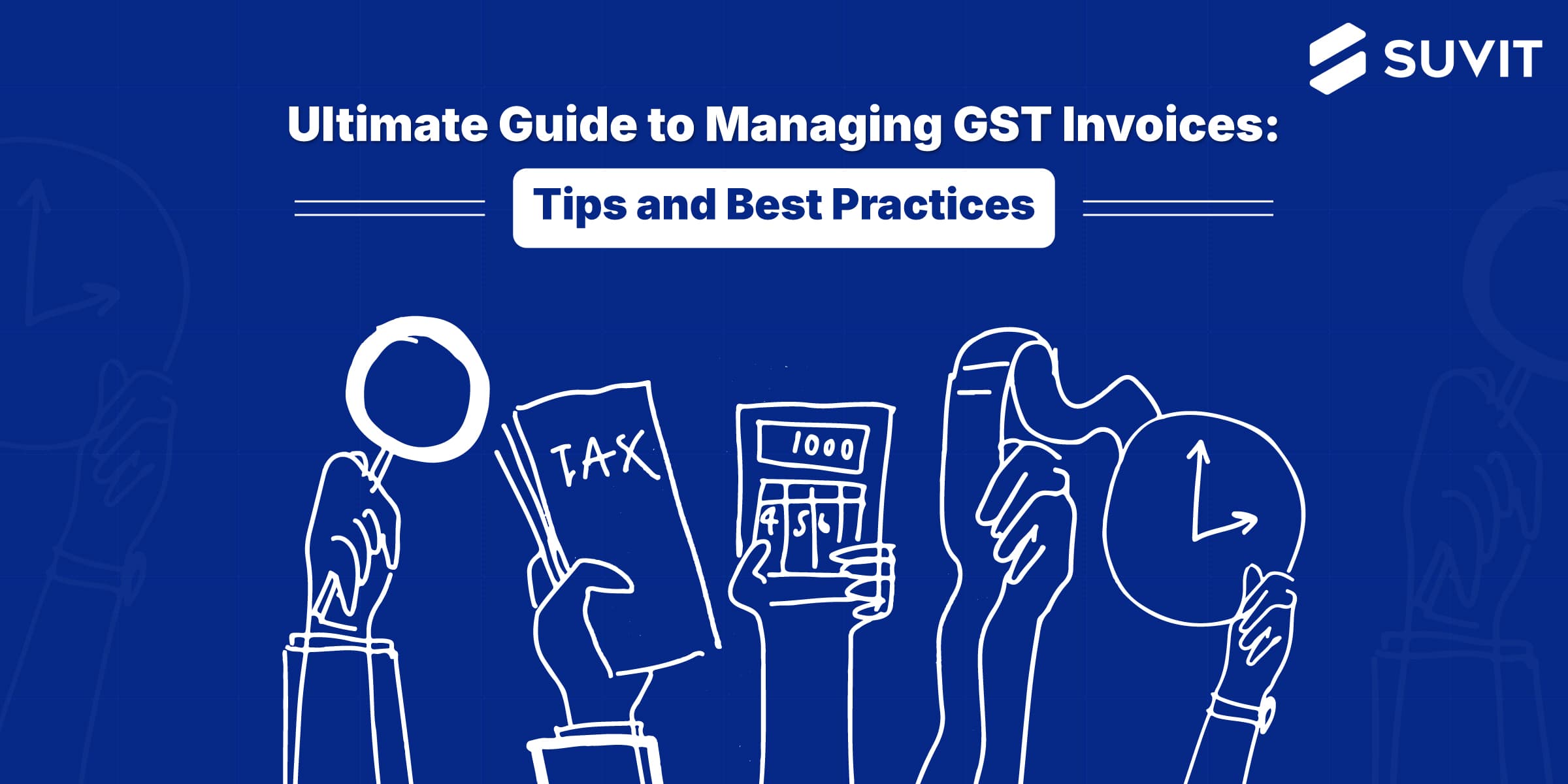
Managing GST invoices effectively is vital for businesses to comply with the GST regime in India. The right management ensures seamless transactions and accurate tax filings.
This blog will explore the various options available for managing GST invoices, including missing invoices, pending invoices, rejected invoices, viewing invoices, locking invoices, and deemed locking of invoices.
GST invoice management involves handling various scenarios that arise during the billing and tax filing process. Proper management of these invoices helps businesses maintain compliance and avoid penalties.
Missing Invoice: This option is exercised by the recipient for invoices or debit notes that have not been uploaded by the supplier. The recipient has availed of input tax credit (ITC) based on these invoices. This scenario is applicable only for businesses filing Form GST RET-1.
Key Points:
Pending Invoice: This option is exercised by the recipient for invoices uploaded by the supplier. It is used when the recipient is doubtful about availing of ITC or it is restricted to avail in the same month due to certain situations.
Key Points:
Reject Invoice: This option is used by the recipient for invoices that have been filed by the supplier but contain incorrect GSTINs.
Key Points:
Verify the accuracy of GSTINs on all received invoices. Promptly reject incorrect invoices and inform the supplier for correction. Keep track of all rejected invoices and follow up on corrections.
Viewing Invoice: Invoices uploaded by the supplier will be visible to the recipient through a "viewing facility" known as the Inward Supplies Annexure (Form GST ANX-1).
Key Points:
Locking Invoice: This option indicates a handshake between the recipient and the supplier, signifying the acceptance of the transaction reported in the invoice. Once the invoice is locked, the supplier cannot alter it.
Key Points:
Deemed Locking of Invoice: Invoices uploaded by the supplier that are not rejected or kept pending by the recipient are deemed to be locked upon the filing of the return.
Key Points:
Also Read: Understanding e-Invoicing Under GST: Applicability, Limits & Implementation
Effective GST invoice management ensures compliance with GST laws, helps avoid penalties, and maintains smooth business operations. It also aids in accurate ITC claims and ensures proper record-keeping.
Managing GST invoices can present several challenges for businesses, especially those new to the GST regime. Here are some common challenges and how to address them:
Challenge: Errors in invoices, such as incorrect GSTINs, amounts, or item details, can lead to issues in ITC claims and compliance.
Solution:
Challenge: Delays in uploading invoices can lead to discrepancies and issues with ITC claims.
Solution:
Challenge: Managing and resolving rejected invoices can be time-consuming and complex.
Solution:
Adopting best practices can significantly improve the efficiency of GST invoice management. Here are some tips to help streamline the process:
Automation: Using accounting automation tools can reduce manual errors and save time.
Key Points:
Training: Regularly train employees on GST compliance and invoice management.
Key Points:
Audits: Conduct regular audits and reviews of your GST invoice management process.
Key Points:
Technology plays a crucial role in modern GST invoice management. Here’s how businesses can leverage technology to streamline their processes:
GST Software: Specialized software can automate and simplify GST compliance.
Key Points:
Cloud Solutions: Cloud-based accounting solutions offer flexibility and accessibility.
Key Points:
Mobile Apps: Mobile applications can help manage GST invoices on the go.
Key Points:
The landscape of GST invoice management is continuously evolving. Here are some future trends to watch out for:
Trend: Increased use of AI and machine learning to automate GST compliance.
Key Points:
Trend: Adoption of blockchain for secure and transparent GST transactions.
Key Points:
Trend: Integration of GST invoice management with the e-invoicing system.
Key Points:
Also Read: GST E-Invoice Amendments: A Thorough Guide to Modifying and Canceling Your Invoices
Efficient GST invoice management is vital for maintaining compliance and ensuring smooth business operations. By understanding the various options available and adopting best practices, businesses can navigate the complexities of GST invoice management with ease. Leveraging technology and staying updated on future trends will further enhance efficiency and compliance.
Incorporate these strategies into your GST invoice management process to stay compliant, avoid penalties, and streamline your business operations. With the right tools and practices, managing GST invoices can become a straightforward and efficient task.

Tax Professional & Business Finance Expert
Tax Professional & Business Finance Expert
Tax Professional & Business Finance Expert