 Is Now Vyapar TaxOne | Same Trust, New Name!
 AI Weapon for Financial Soldiers
Vyapar TaxOne


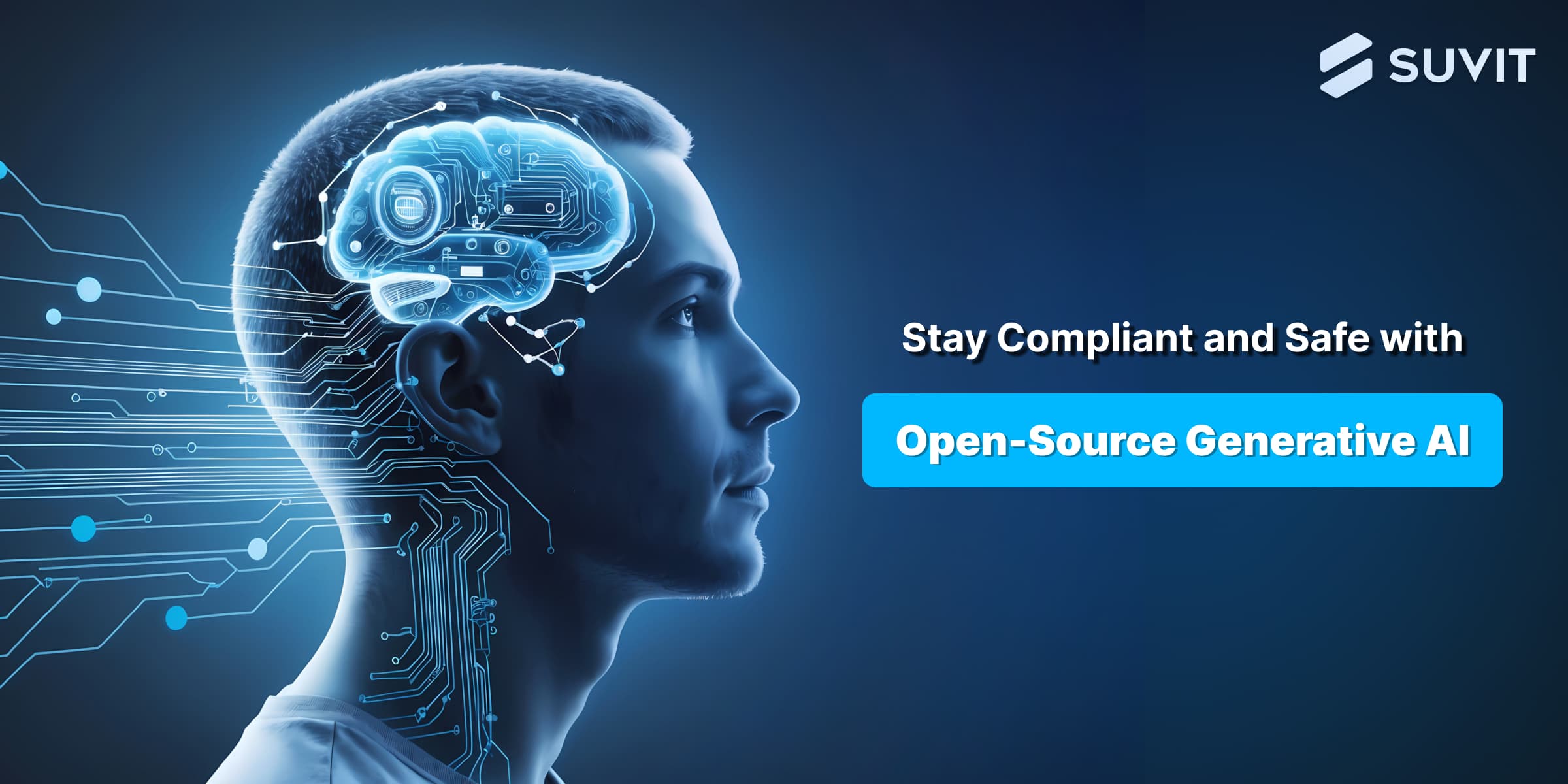
Open-source generative AI has gained traction across various industries, including finance.
While it offers numerous advantages, such as cost savings and flexibility, it also comes with a unique set of risks and challenges.
In this blog, we'll explore the precautions you need to take when using open-source generative AI in finance to ensure safe and effective deployment.
Open-source generative AI refers to artificial intelligence models that generate new content based on input data. These models are freely available for modification and distribution, making them attractive to developers and organizations looking to innovate without hefty licensing fees.
In finance, generative AI can be used for several applications, including automated report generation, predictive analytics, and fraud detection. However, using open-source AI models requires careful consideration due to potential security, compliance, and ethical concerns.
One of the primary reasons open-source AI is popular in finance is cost efficiency. Companies can avoid expensive licensing fees associated with proprietary AI models. This cost savings can be especially important for startups and small businesses looking to leverage AI without a substantial financial investment.
Open-source models allow for extensive customization, enabling firms to tailor the models to their specific needs. This flexibility can result in more accurate and relevant outputs for financial tasks, such as risk assessment and portfolio management.
With a vast community of developers contributing to open-source projects, updates, and improvements happen at a rapid pace. This continuous innovation can provide financial firms with access to cutting-edge technology that keeps them competitive.
Despite the advantages, there are several risks associated with using open-source generative AI in finance. Here are some precautions to consider:
Open-source software can be more vulnerable to security breaches because its code is publicly accessible. Malicious actors can identify and exploit vulnerabilities, putting sensitive financial data at risk. To mitigate this, always conduct thorough security audits and ensure robust encryption protocols are in place.
How to Protect Data When Using Open-Source AI
Also Read: ICAI Collaboration with MeitY for AI Audit Tool
Financial institutions must comply with stringent regulations regarding data usage and processing. When using open-source AI models, it's crucial to ensure they adhere to regulatory requirements such as GDPR, CCPA, and local data protection laws.
Ensuring Compliance with Financial Regulations
The quality of generative AI models depends on the data used to train them. If the training data is biased, the model's outputs can be biased too, leading to unfair or unethical outcomes. This is especially critical in finance, where biased models could affect lending decisions, risk assessments, and more.
Mitigating Bias in AI Models
Not all open-source AI models are created equal. Some may lack the necessary quality checks, leading to unreliable outputs. In finance, where decisions are data-driven, an unreliable AI model can have significant consequences.
Evaluating the Quality of Open-Source AI Models
While open-source software is free to use, there can be intellectual property concerns, especially if the AI model incorporates code or data that is not licensed correctly. Financial firms must ensure they are not inadvertently infringing on intellectual property rights.
Protecting Against IP Infringement
Open-source projects often rely on community support for updates and troubleshooting. This can be a double-edged sword in finance, where downtime or errors can lead to significant financial losses.
Ensuring Reliable Support for Open-Source AI
Also Read: Explosive Growth in AI for Accounting: How the Market is Set to Reach USD 53.9 Billion
While open-source generative AI offers significant advantages for the finance industry, including cost savings, flexibility, and rapid innovation, it's crucial to approach its use with caution. By understanding the risks and implementing robust safeguards, financial institutions can leverage open-source AI effectively without compromising security, compliance, or ethical standards.
In finding, open-source generative AI can be a powerful tool for financial firms, but only if used responsibly. With the right precautions in place, you can harness the benefits of open-source AI while minimizing the associated risks.


Tax Professional & Business Finance Expert
Tax Professional & Business Finance Expert
Tax Professional & Business Finance Expert