 Is Now Vyapar TaxOne | Same Trust, New Name!
 AI Weapon for Financial Soldiers
CA


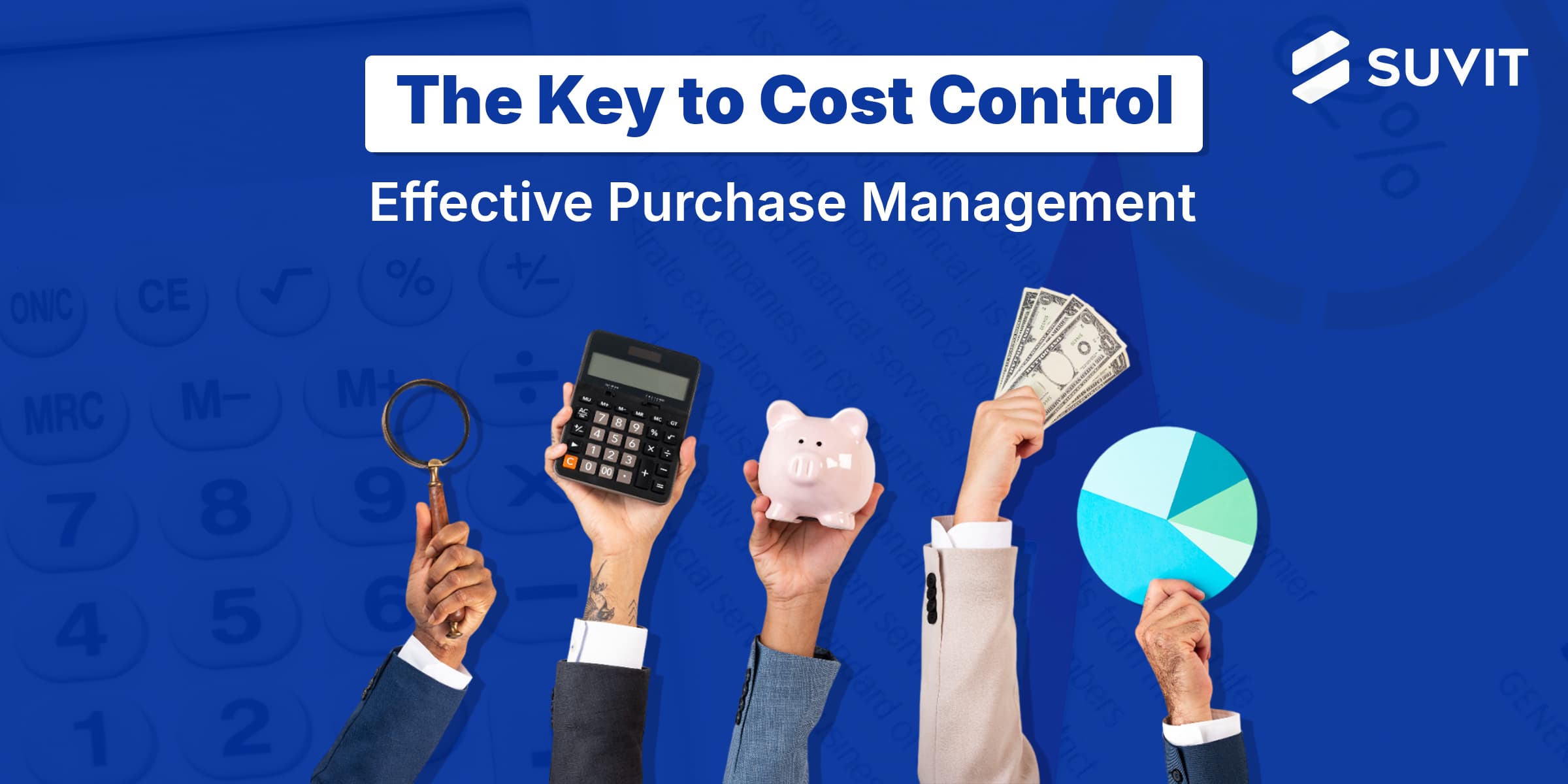
Managing purchases effectively is crucial for any business. It ensures that the right products are available at the right time, in the right quantity, and at the best price. Purchase management plays a vital role in streamlining business operations, reducing costs, and improving overall efficiency. But what exactly is purchase management, and why is it so important?
In this blog, we'll explore the concept of purchase management, its significance, and how it impacts business success.
Purchase management refers to the process of acquiring goods and services needed by a business. This process involves several stages, including identifying needs, selecting suppliers, negotiating prices, placing orders, and managing inventory.
The primary goal of purchase management is to ensure that the business acquires the necessary items at the best possible price without compromising on quality or delivery timelines. It also involves managing relationships with suppliers to build trust and secure favorable terms.
Effective purchase management is crucial for several reasons:
Several components make up an effective purchase management system:
The first step in purchase management is identifying what the business needs to buy. This involves understanding the demand for products or services, forecasting future needs, and aligning purchases with the company's overall goals.
Selecting the right suppliers is crucial. This involves evaluating potential suppliers based on their reliability, quality of products, pricing, and delivery timelines. A good purchase management system will have a database of approved suppliers and criteria for evaluating new ones.
Negotiating with suppliers is a key aspect of purchase management. This entails negotiating over costs, terms of payment, delivery dates, and other details. Effective negotiation can lead to significant cost savings and better terms for the business.
Once the terms are agreed upon, the next step is to place the order. This involves creating purchase orders, which should include detailed information about the products or services being purchased, the agreed price, delivery date, and payment terms.
Managing inventory is closely linked to purchase management. The goal is to maintain optimal inventory levels—enough to meet demand without overstocking. This necessitates meticulous planning and inventory level monitoring.
When the goods are received, they need to be checked against the purchase order to ensure that everything is in order. This includes verifying the quantity, quality, and condition of the items.
After the goods are received and inspected, the payment process begins. This involves ensuring that the payment terms agreed upon are followed, and that payments are made on time.
Long-term success depends on keeping positive working relationships with suppliers. This involves regular communication, addressing any issues that arise, and working together to improve processes.
Also Read: How Vyapar TaxOne Can Simplify Your Purchase and Purchase Return Transactions
Implementing a robust purchase management system can bring several benefits to a business:
Cost savings are among the biggest advantages. By negotiating better prices and terms, businesses can reduce their expenses, which directly impacts the bottom line.
A well-organized purchase management system streamlines the purchasing process, reducing the time and effort required to manage orders. This leads to improved efficiency and allows employees to focus on other critical tasks.
By working with reliable suppliers and carefully managing the purchasing process, businesses can ensure that they receive high-quality products. This lowers the possibility of returns and defects, increasing customer satisfaction.
Building strong relationships with suppliers can lead to better terms, faster deliveries, and more favorable payment conditions. This can also result in better support and cooperation from suppliers in case of any issues.
Effective purchase management helps in identifying and mitigating risks, such as supplier failures, price fluctuations, and supply chain disruptions. Businesses can lessen the impact of these risks by putting contingency plans in place.
A good purchase management system ensures that all transactions are transparent and well-documented. This is crucial for compliance with legal and regulatory requirements and helps in avoiding potential legal issues.
Despite its importance, purchase management can be challenging. These are a few usual challenges that companies encounter:
Finding and maintaining reliable suppliers can be difficult. Supplier failures, delays, and quality issues can disrupt the purchasing process and impact business operations.
Prices of goods and services can fluctuate due to market conditions, exchange rates, and other factors. Managing these fluctuations while maintaining cost control is a significant challenge.
Balancing inventory levels is a constant challenge. Overstocking ties up capital and increases storage costs, while understocking can lead to stockouts and lost sales.
Ensuring compliance with various regulations related to purchasing, such as tax laws, import/export regulations, and environmental standards, can be complex and time-consuming.
Technology has revolutionized purchase management, making it more efficient and effective. Modern purchase management systems offer a range of features that simplify the process and provide valuable insights.
Automation plays a key role in modern purchase management. Automated systems can handle repetitive tasks, such as generating purchase orders, tracking inventory levels, and processing payments, reducing the workload on employees.
Data analytics tools can analyze purchasing data to identify trends, forecast demand, and optimize purchasing decisions. Better judgment and financial savings result from this.
Supplier management software allows businesses to maintain a database of suppliers, track performance, and manage relationships more effectively. This leads to improved supplier selection and better terms.
Modern purchase management systems can integrate with other business systems, such as inventory management, accounting, and ERP systems. This ensures that all processes are aligned and that data is consistent across the organization.
Real-time monitoring of the purchasing process allows businesses to track orders, monitor inventory levels, and identify issues as they arise. This results in increased efficiency and quicker problem solving.
Also Read: Procurement vs. Purchasing: Unveiling the Powerhouse Duo
In today's competitive business environment, effective purchase management is more important than ever. It plays a critical role in controlling costs, managing inventory, ensuring quality, and building strong supplier relationships. By implementing a robust purchase management system and leveraging technology, businesses can streamline their operations, reduce risks, and improve their bottom line.
Whether you are a small business or a large enterprise, understanding and optimizing your purchase management process is essential for long-term success. Investing in the right tools and strategies can make a significant difference in your business's efficiency and profitability.

Tax Professional & Business Finance Expert
Tax Professional & Business Finance Expert
Tax Professional & Business Finance Expert