 Is Now Vyapar TaxOne | Same Trust, New Name!
 AI Weapon for Financial Soldiers
CA


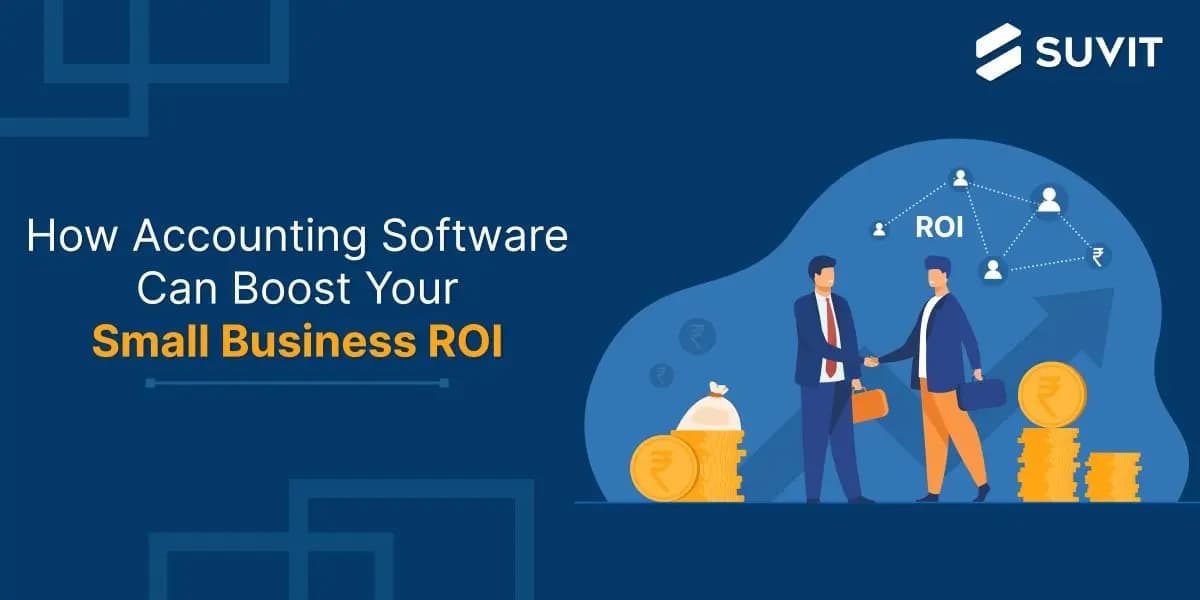
Managing finances can be overwhelming for small business owners, but accounting software has emerged as a game-changer.
Whether it’s tracking expenses, sending invoices, or staying tax-compliant, accounting software simplifies your financial management processes and helps maximize your return on investment (ROI). Let’s see how it works and why it’s worth considering.
Accounting software is a tool designed to help businesses manage their financial transactions and records efficiently. It handles a range of tasks, including:
For small businesses, this tool is not just about managing finances; it’s about driving growth and maximizing ROI. But how exactly does it achieve that?

Accounting software can reduce manual errors and improve data quality, which can lead to better financial performance and reporting. Accounting software can also automate and streamline accounting tasks, such as reconciling bank accounts, sending reminders, and updating records, which can save time and resources for the business.

Accounting software can provide real-time and accurate information on the business’s financial situation, such as cash flow, profitability, and liquidity. This can help business owners and managers make informed and timely decisions, such as budgeting, forecasting, investing, and pricing. Accounting software can also help the business optimize its cash flow by facilitating faster and easier invoicing and payment collection, as well as managing expenses and bills.

Accounting software can help the business comply with the tax laws and regulations of their country, state, or region. Accounting software can calculate and file taxes automatically, as well as generate tax reports and statements. Accounting software can also keep track of tax deductions and credits, as well as tax changes and updates, which can help the business save money and avoid penalties.
Also Read: GST Rules for Small Businesses and Start-ups in India

Accounting software can reduce the need for hiring more resources, which can be expensive and time-consuming. Accounting software can also lower the business operational costs, such as paper, printing, storage, and postage. Accounting software can also offer flexible and affordable pricing plans, as well as free trials and demos, which can suit the needs and budget of the small business.

Accounting software can integrate with other software and systems that the business uses, such as CRM, ERP, POS, e-commerce, inventory, payroll, and banking. This can create a seamless and unified workflow for the business, as well as improve data sharing and collaboration. Accounting software can also sync with cloud-based platforms and mobile devices, which can enable businesses to access and manage their finances anytime and anywhere.
Also Read: 11 Small Business Accounting Tips and Tricks
Vyapar TaxOne is more than just accounting software; it’s a complete automation tool tailored for small businesses. Here’s how Vyapar TaxOne can support your financial goals:

With Vyapar TaxOne, small businesses can reduce manual work, improve financial accuracy, and make data-driven decisions to grow their ROI. Plus, you can start with a 7-day free trial to experience the benefits firsthand!
Accounting software isn’t just an expense; it’s an investment in your business’s future. From improving efficiency to enhancing cash flow and tax compliance, the right software can make a significant difference.
Tools like Vyapar TaxOne take it a step further by automating key processes and providing actionable insights. Ready to maximize your ROI? Give Vyapar TaxOne a try today and see the difference it makes for your small business.

Tax Professional & Business Finance Expert
Tax Professional & Business Finance Expert
Tax Professional & Business Finance Expert