 Is Now Vyapar TaxOne | Same Trust, New Name!
 AI Weapon for Financial Soldiers
Chartered Accountant


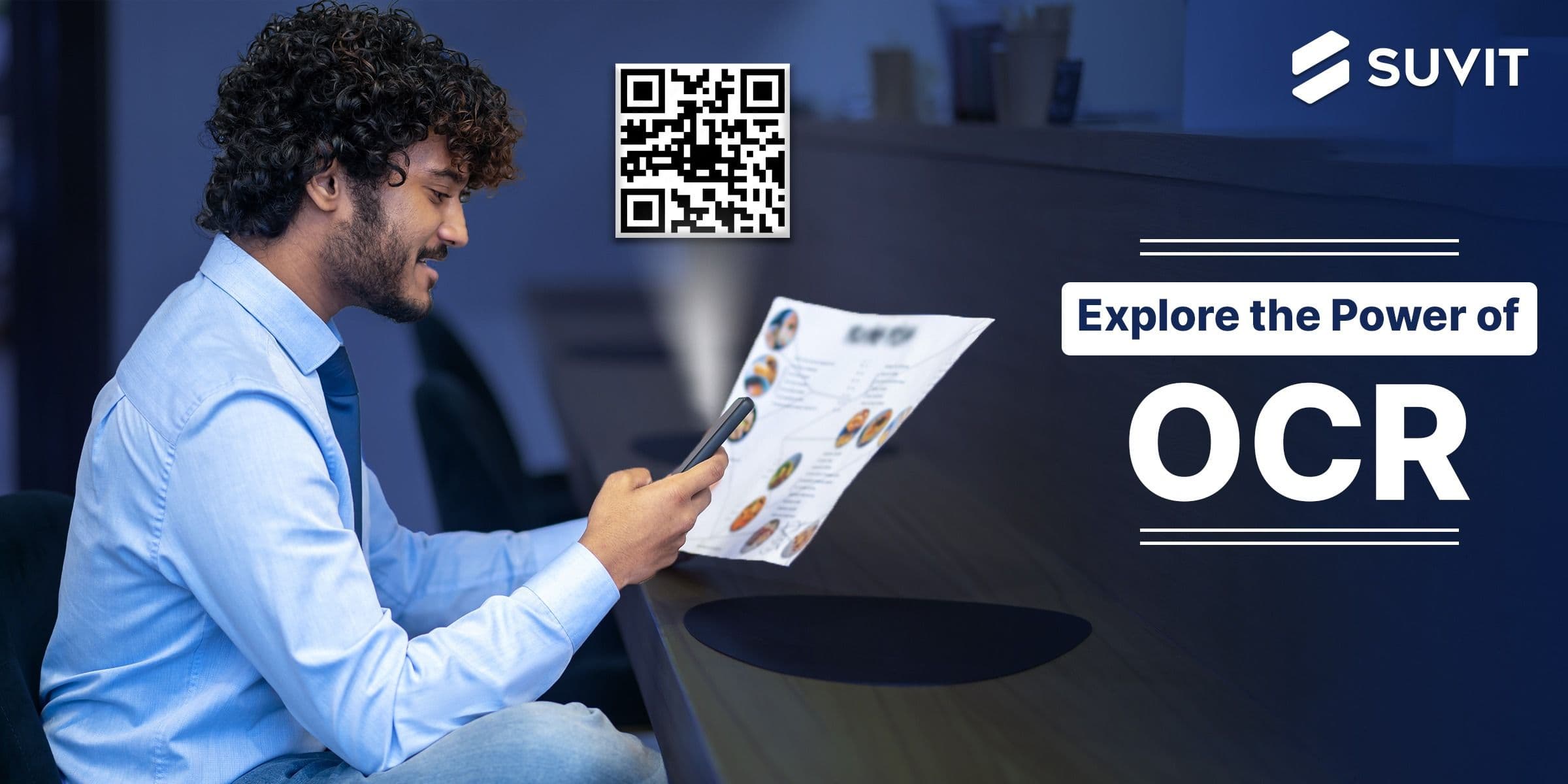
Have you ever wished you could instantly turn a photo of text into editable words? That's where Optical Character Recognition (OCR) steps in to work its magic.
OCR is a technology that enables computers to "read" physical documents and convert them into digital text—just like that! It's one of those behind-the-scenes technologies we don’t always notice but use every day.
But here's the kicker: OCR is not as new as it seems. Although it’s been around for decades, advancements in technology have made OCR more powerful and efficient than ever.
Now, just imagine being able to scan a business card, a receipt, or even your handwritten notes, and have all that information magically transformed into editable, searchable text on your phone or computer.
How cool is that? Let’s dive into how OCR works and why it’s a game-changer in the digital world.
So, how does OCR work its text-reading magic? It’s all about a series of steps that help convert printed or handwritten text into digital form.
Before OCR can start reading, it needs to tidy up the image. This could mean turning the image into black and white (a process called binarization) and getting rid of any speckles or dust (noise reduction). It might even straighten a tilted document (skew correction) to make sure everything lines up correctly.
Next, the software identifies the text in the image, separating it from the background. Think of it as cutting out the words from a magazine or document and focusing only on the important parts.
Now comes the detective work. OCR software analyzes each character in the text, identifying its unique shape, lines, and features.
With all this data, the software compares the characters against a huge database of digital fonts to find the best match. It’s like finding the right key for a lock!
Finally, the OCR software ensures that the words are correctly formatted and free of errors, transforming the image into editable digital text. And just like that, you have a fully digitized document.
There are a few different ways OCR can "read" text. Here are some of the techniques used to make OCR even more powerful:
OCR isn’t a one-size-fits-all solution. Depending on what you're scanning, different types of OCR do the job:
OCR isn’t just a neat trick—it's revolutionizing how we manage and interact with data. Here are some of the amazing ways OCR is making life easier:
OCR allows you to digitize documents and make them searchable. No more sifting through piles of paper to find what you need. Everything becomes accessible at the click of a button, reducing clutter and saving space.
Data entry is one of those tasks that no one enjoys. OCR can automate it, extracting information from receipts, invoices, and other documents. This saves time, reduces human error, and boosts productivity.
OCR is a game-changer for visually impaired individuals. Text-to-speech tools powered by OCR can read out physical documents, books, newspapers, and even street signs. This empowers people with greater independence and access to information.
Traveling abroad? OCR helps bridge language gaps. Imagine using your phone’s camera to scan a menu or street sign and instantly getting a translation. It’s like having a universal translator right in your pocket!
You’ve probably encountered those squiggly letters you need to type to prove you’re not a robot—CAPTCHAs. OCR is behind the scenes here, helping decipher those tricky challenges and ensuring that only humans can access certain online content.
OCR is continuously evolving, especially with the power of artificial intelligence. Here’s a sneak peek at what the future holds for OCR:
With the rise of deep learning algorithms like convolutional neural networks (CNNs), OCR is becoming nearly flawless. These AI-driven systems can analyze massive amounts of data and constantly improve their recognition abilities. This means OCR will soon handle even the most complex tasks, like deciphering smudged handwriting or poor-quality scans.
Imagine pointing your phone’s camera at a foreign language sign and instantly seeing the translation appear right before your eyes. Real-time OCR is the future of augmented reality (AR), and it’s going to make travel and communication much smoother.
OCR is also set to revolutionize multilingual communication. In the future, you’ll be able to scan a document in one language and instantly get a translation in your preferred language, breaking down communication barriers across cultures.
OCR isn’t just for everyday documents. It’s also a huge asset for accountants. Imagine automatically extracting data from invoices, receipts, and other financial documents. OCR makes data entry faster, more accurate, and much more efficient, freeing up time for accountants to focus on higher-value tasks.
If you don’t believe it, why not give it a try? Take a 7-day free trial with Vyapar TaxOne and experience how OCR can automate your workflow today.
OCR is changing the way we interact with text and data. From digitizing documents to improving accessibility and even breaking down language barriers, this technology is opening doors for everyone.
And with AI improving its accuracy and versatility, the future of OCR is incredibly bright. Whether you’re an accountant, a traveler, or someone who simply wants to organize life better, OCR is a tool you don’t want to miss.
Now that you know what OCR is and how it works, why not start using it to your advantage? It’s time to say goodbye to manual data entry and cluttered paper trails, and hello to a smarter, more efficient way of handling text.
Also Read:

Tax Professional & Business Finance Expert
Tax Professional & Business Finance Expert
Tax Professional & Business Finance Expert